Blog's
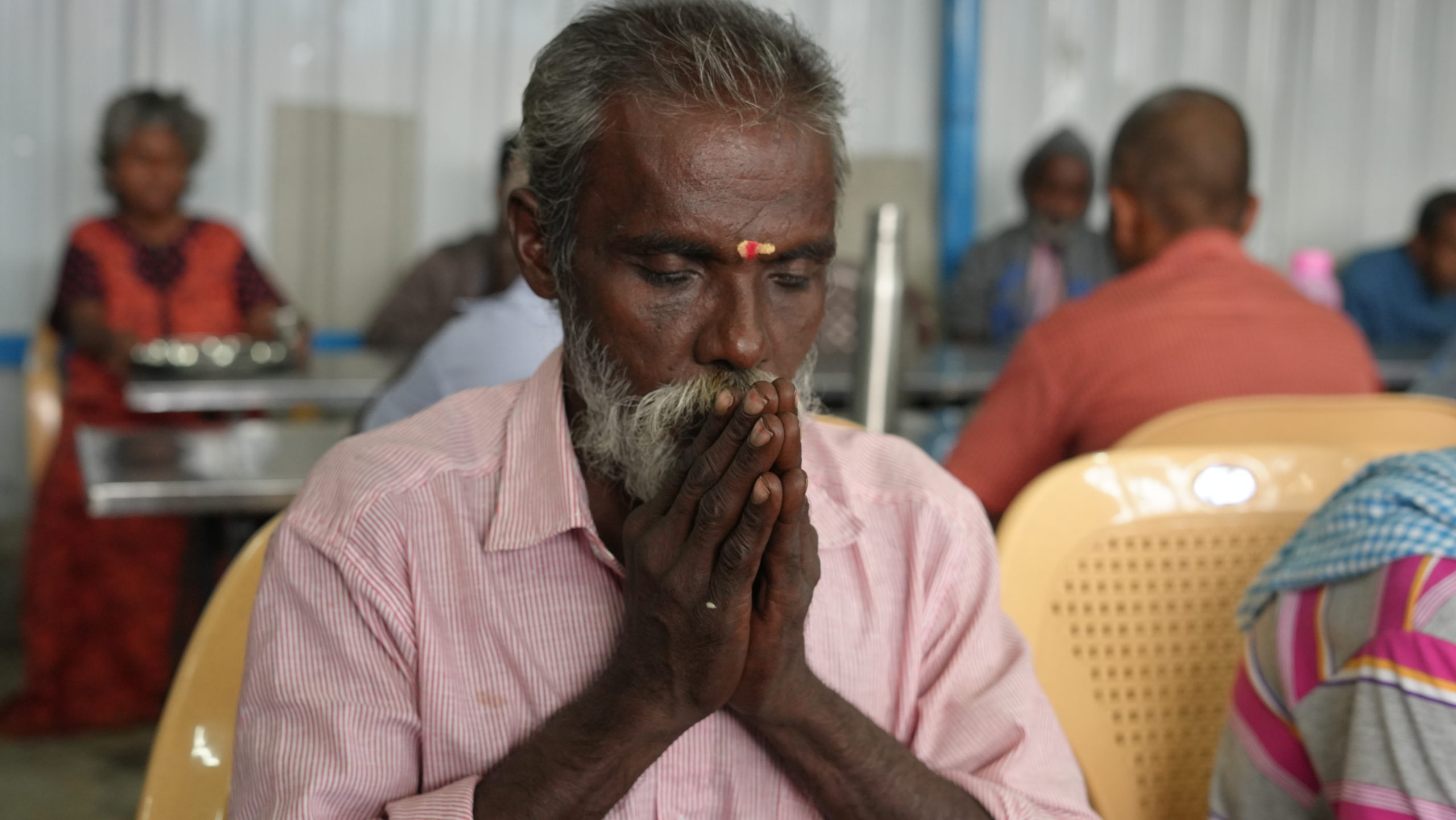
Empowering Elders: How NGOs are Combatting Hunger and Poverty Among the Elderly
In today's society, where economic disparities continue to widen and social safety nets often fall short, many elderly individuals find themselves facing the harsh reality of hunger and poverty. As a result, NGOs (Non-Governmental Organizations) have emerged as vital lifelines, providing essential support and assistance to vulnerable seniors in need.
One of the primary challenges faced by elderly individuals is food insecurity. Limited financial resources, coupled with rising living costs, often force seniors to make difficult choices between purchasing nutritious meals and meeting other basic needs. NGOs specializing in elderly welfare recognize this pressing issue and have implemented various programs to address it.
These NGOs operate food distribution centers, community kitchens, and meal delivery services tailored specifically to meet the nutritional needs of the elderly. By collaborating with local volunteers, donors, and food suppliers, these organizations ensure that no senior goes hungry. Additionally, many NGOs offer nutrition education and cooking classes to empower elderly individuals to make healthier food choices with limited resources.
Beyond addressing immediate hunger, NGOs also tackle the root causes of elderly poverty through comprehensive support programs. These initiatives encompass financial assistance, housing support, healthcare services, and social engagement activities designed to improve seniors' overall well-being. By providing access to affordable housing, healthcare services, and income-generating opportunities, NGOs help elderly individuals break free from the cycle of poverty and regain their dignity and independence.
Moreover, NGOs play a crucial advocacy role, raising awareness about the challenges faced by elderly populations and advocating for policy changes to better protect their rights and welfare. Through lobbying efforts and community outreach initiatives, these organizations work to influence policymakers and ensure that elderly individuals receive the support and resources they need to thrive.
In conclusion, NGOs are indispensable allies in the fight against hunger and poverty among the elderly. Through their multifaceted approach, these organizations empower seniors, enhance their quality of life, and champion their rights in society. As we continue to grapple with the complex issues of aging and social inequality, the role of NGOs in supporting elderly populations remains more critical than ever.