Blog's
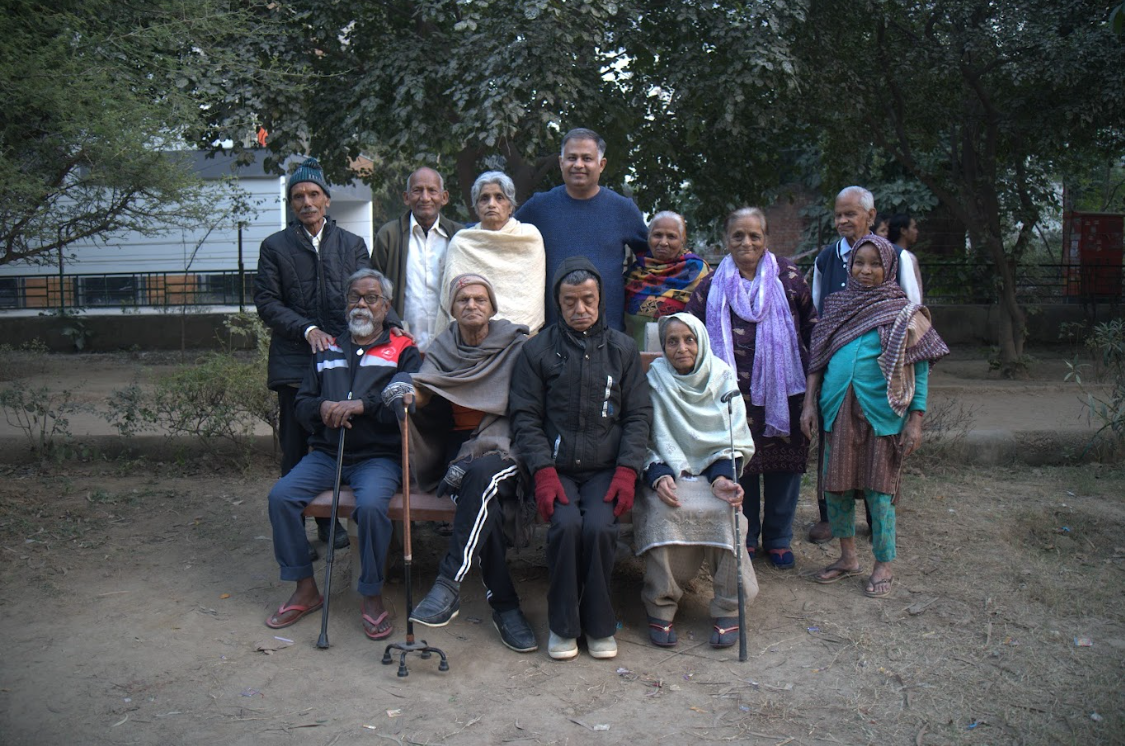
Empowering Lives: How NGOs Support the Poor and Elderly
Non-Governmental Organizations (NGOs) play a crucial role in society, providing support and resources to vulnerable populations, including the poor and the elderly. These organizations operate independently from government bodies, relying on donations, grants, and volunteer efforts to carry out their missions. Their work is instrumental in addressing social issues, alleviating poverty, and enhancing the quality of life for the elderly.
NGOs dedicated to helping the poor focus on providing essential services that improve living conditions and create opportunities for economic stability. These services often include food distribution, shelter provision, healthcare access, and educational programs. By addressing basic needs, NGOs help individuals and families break the cycle of poverty. Educational initiatives, such as vocational training and literacy programs, empower the poor with the skills needed to secure employment and improve their economic standing. Microfinance programs offered by some NGOs provide small loans to individuals, enabling them to start small businesses and achieve financial independence.
For the elderly, NGOs offer a range of services designed to ensure their well-being and dignity in their later years. Many elderly individuals face challenges such as health issues, social isolation, and financial insecurity. NGOs step in to provide medical care, emotional support, and social activities that enhance their quality of life. Home care services, community centers, and day programs are common initiatives that help the elderly remain active and engaged. Additionally, NGOs often advocate for the rights of the elderly, working to ensure they receive the benefits and protections they are entitled to.
The impact of NGOs on these populations cannot be overstated. By providing essential resources and advocating for the rights and needs of the poor and elderly, NGOs help build stronger, more inclusive communities. Their efforts contribute to a more just and equitable society, where everyone, regardless of age or economic status, has the opportunity to live with dignity and hope.
In conclusion, NGOs are vital in bridging the gap between those in need and the resources required to improve their lives. Their dedication to helping the poor and elderly demonstrates the power of compassion and collective action. Through continued support and engagement, these organizations will continue to transform lives and foster a brighter future for all.